
Predictable linen turnaround inside an IPAC-driven building.
Skilled nursing facilities run the heaviest linen cycle in the senior care continuum. Between incontinence care, wound care, bariatric linens and daily bed changes, a 128-bed SNF can move several hundred pounds of soiled linen every day, and every pound of it is governed by infection prevention and control policy.
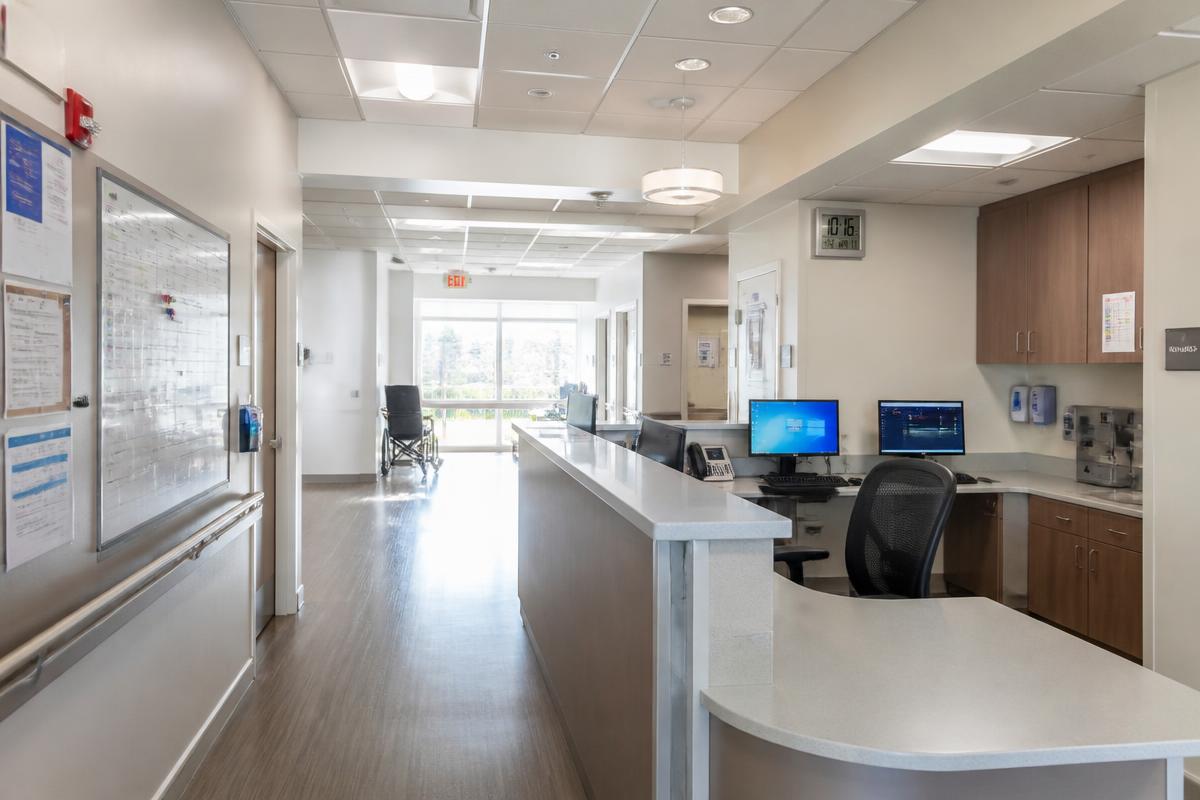
What laundry looks like here
Laundry in an SNF is not a housekeeping convenience — it is a clinical support function. When par levels dip, nursing staff scavenge linen carts, care tasks slide, and surveyors notice. Zleni automates the repetitive middle of that workflow so the humans in the building stay on resident care.
- Typical daily volume
- 8–14 lbs of linen per resident day (PPD)
- Peak pressure
- Morning care block, 6:00–11:00
- Primary risk
- Clean/soiled cross-contamination
- Who owns it
- Laundry/EVS lead reporting to the Administrator or DON
Where your team hands off, and where Zleni picks up.
- 06:00–11:00Your team
Morning care block fills the soiled carts
Nursing and PSW staff strip beds and bag soiled linen during peak care hours, following your infection-control routing exactly as written today. Zleni never touches the soiled side.
- 07:00 onwardYour team
Wash and thermal disinfection
Your washers, chemistry, water temperatures and disinfection parameters are unchanged. The laundry aide loads and unloads as usual.
- ContinuousZleni
Zleni folds and sorts the clean side
As dryers finish, the robot folds flat linen to a single standard and sorts by type, unit and resident — the block of the shift that normally consumes the entire afternoon.
- ContinuousZleni
Exceptions routed to a person
Bariatric sheets, slings, torn items and anything outside the handling profile are set aside for staff review instead of being mishandled.
- AfternoonZleni
Carts staged by unit
Finished linen is grouped per unit and par shortfalls surface in the load record before a nurse discovers them overnight.
- EveningYour team
Delivery and restock stay human
Your aide runs the carts and restocks closets — now as the first task of the shift instead of the last, after hours at the fold table.
The four places skilled nursing laundry actually breaks down.
Par levels dip overnight
Today
Night nursing hunts through carts for draw sheets and gowns, and care tasks slide down the queue.
With Zleni
Every load is counted by linen type as it is folded, so a shortfall shows up in the day's record rather than at 2 a.m. on a unit.
One call-out stalls the whole line
Today
When the laundry aide is off, CNAs and PSWs are pulled to the fold table or the backlog rolls into the next day.
With Zleni
The folding and sorting line keeps running at the same rate regardless of who is scheduled, so care staff stay on the floor.
Isolation and precaution linen slows everything
Today
Precaution loads are handled separately and the clean-side backlog grows behind them.
With Zleni
Your soiled-side precautions are untouched; once washed, those loads join the same automated clean-side queue without extra staff time.
Nothing to show a surveyor
Today
Linen practice is described from memory, with no record of what was processed or when.
With Zleni
Timestamped, per-load records give the administrator an auditable trail of linen handling.
What it plugs into
Nothing in your building has to change to make room for Zleni.
- Your existing washers, dryers and folding-room footprint
- Your current chemistry, water temperature and thermal disinfection settings
- Your written infection prevention and control policy, unchanged
- Existing cart routes, unit staging areas and linen closets
- Your current staffing pattern — no role is eliminated to start
What operators watch
The numbers this setting already reports on, and how automation moves them.
- Linen cost per resident day (PPD)
- A flat subscription replaces variable labour, so PPD can be modelled before the month starts.
- Clean-linen turnaround
- Folding no longer waits for an available person, so clean stock reaches units the same day.
- Nursing hours lost to laundry
- Care staff stop backfilling the fold table on call-out days.
- Survey readiness
- Per-load records document a consistent, repeatable linen process.
The same team, spending the day differently.
Laundry / EVS aide
Moves from hours of folding to loading, quality checks and delivery.
CNA / PSW
Stops being pulled off the care floor to clear a laundry backlog.
Director of Nursing
Linen availability stops being a recurring reason care tasks run late.
Administrator
A fixed line item and a documented process to put in front of a surveyor.
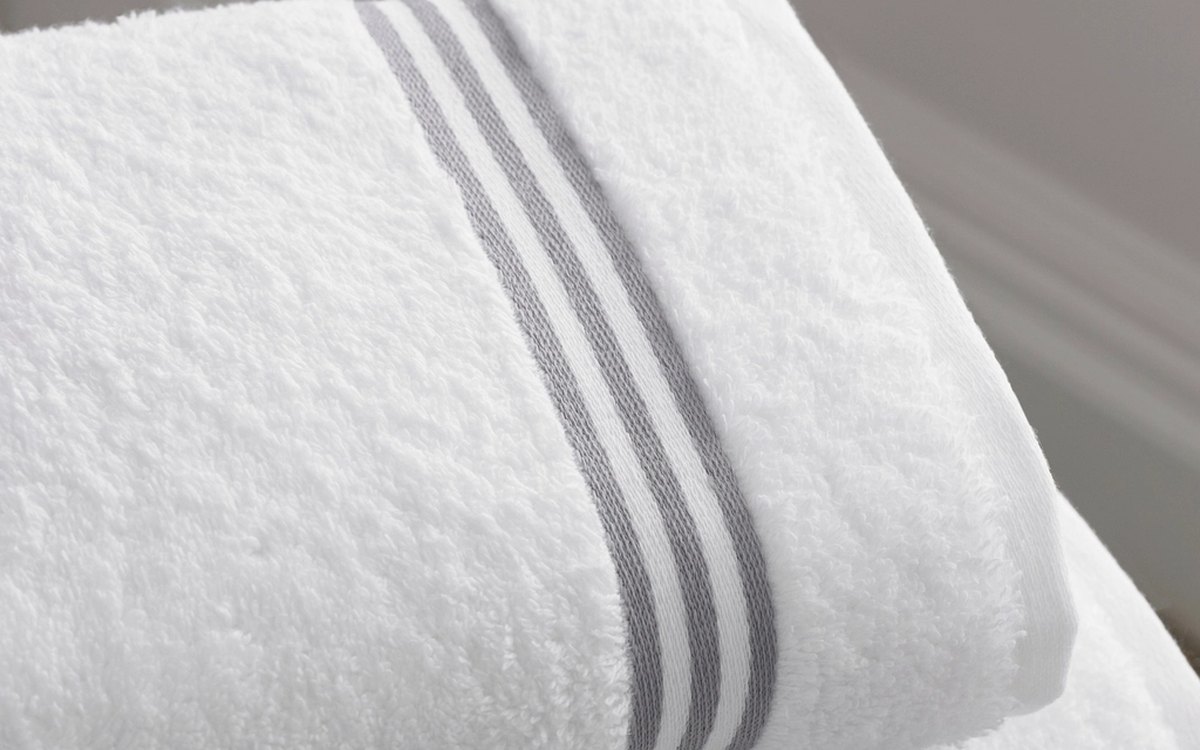
Why operators here choose Zleni
- Removes the highest-volume, lowest-judgement portion of the SNF laundry shift.
- Keeps clean-side handling consistent between day, evening and weekend coverage.
- Produces a per-load record you can put in front of a surveyor.
- Flat subscription — no capital request, no maintenance budget line.
Questions we get from skilled nursing operators
Does Zleni change our IPAC policy?
No. The robot operates strictly on the clean side after washing and thermal or chemical disinfection. Your soiled handling, bagging and transport policy stays exactly as written.
Can it handle resident personal clothing as well as facility linen?
Yes. Personal clothing is sorted by resident and room, which is typically where the most staff time is lost in a skilled nursing building.
What happens if the robot goes down?
Your existing manual workflow is unaffected — the robot supplements the line rather than replacing your equipment. Maintenance is included in the subscription.
See if a pilot fits your community.
No capex. One flat subscription. No maintenance burden either.
Request a pilot